
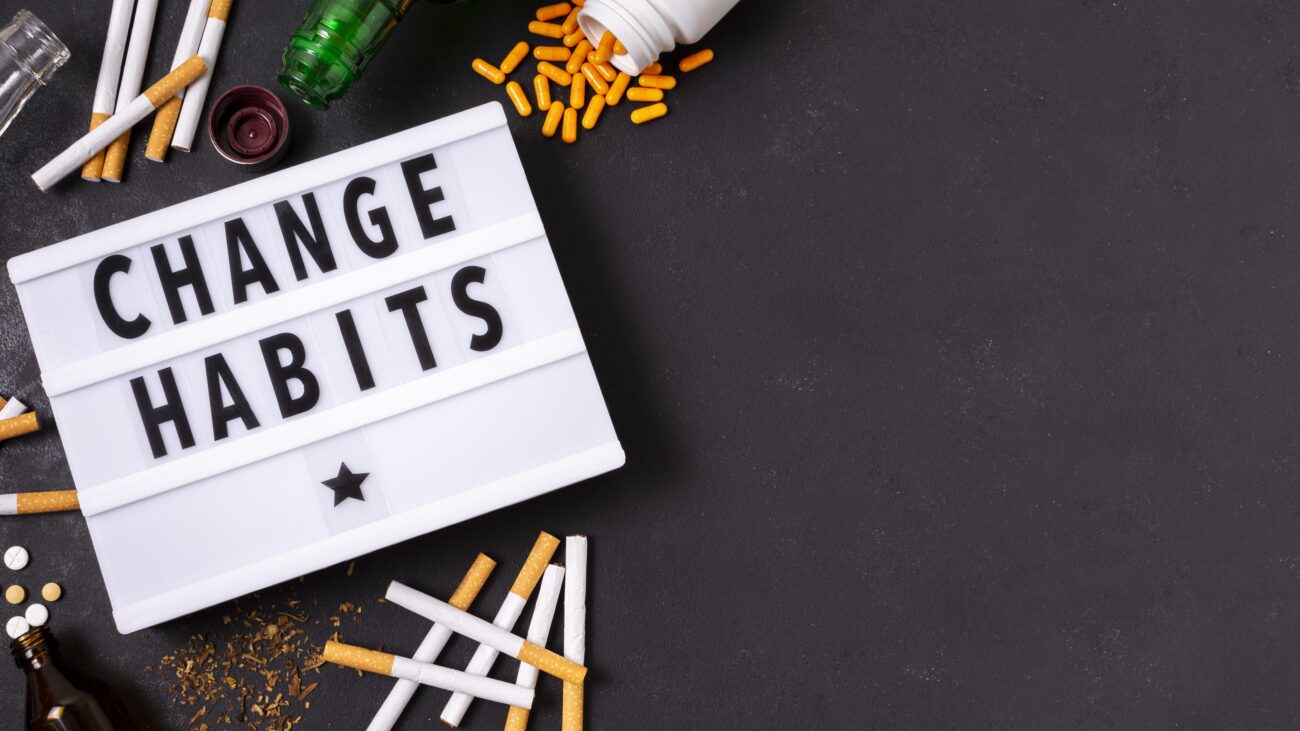
We have all been there. You are sitting outside on the couch on a cool evening, feeling sluggish, and a sudden wave of quiet panic washes over you. You look at your life, your energy levels, and your diet, and you decide that tomorrow morning is the day everything changes.
So you grab a crumpled receipt from the counter and scribble down this completely unrealistic game plan. Monday morning, you’re suddenly a brand-new person: up at 5:30 AM, chugging warm lemon water, dragging yourself out for a three-mile run, choking down a swamp-green smoothie full of overpriced superfood powders you bought late at night, eating nothing but dry chicken and raw broccoli, and then, to top it off, somehow sitting silently in a room to meditate for twenty minutes before you pass out. It is the kind of idealistic, high-performance fantasy we build after reading about the hyper-optimized rituals of highly creative people you can steal, except we try to copy all of them at once, overnight.
It feels amazing just writing it down. For about twelve hours, you feel like a completely new person.
But then Tuesday rolls around. Or Thursday. You wake up exhausted from sleeping poorly; your knees hurt from the sudden run; your stomach is bloated and cramping from the sudden mountain of raw kale; and you are staring at a takeout menu because you literally do not have the mental energy to chop another vegetable.
When this happens, we almost always blame our own willpower. We tell ourselves we are lazy or that we just don’t want it badly enough. But that is a complete lie. The real issue has nothing to do with your discipline and everything to do with a simple, frustrating truth: you tried to scale up a life you haven’t yet learned to live.
There is a massive difference between the learning phase of a project and the implementation phase. When we try to force our bodies and our busy schedules into a rigid, massive health routine overnight, we are trying to implement a system we haven’t actually stress-tested. We are expanding the programme before we understand how it works in our real, messy, everyday lives.
If you want to build a healthy life that actually lasts, you have to stop treating your body like a company undergoing a sudden, aggressive corporate restructuring. You have to start treating your wellness like a quiet, curious research project.
The Biology of Why Our Bodies Reject Sudden Change
Your body is not a machine that you can simply reprogram overnight with a new set of instructions. It is a highly sensitive, deeply interconnected ecosystem. Its number-one priority is keeping you balanced and safe, a state called homeostasis. When you suddenly change five different things in your daily routine, your body does not see it as a glow-up. It sees an emergency.
1. The Brain Is Built to Save Energy
To understand why habits are so incredibly hard to break, you have to look at how your brain manages its resources. The brain is a power-hungry organ, and to save energy, it turns repetitive actions into automatic habits. These habits run on deeply carved neural pathways in your brain.
When you decide to change your entire routine on a Monday morning, you suddenly turn off the autopilot. You have to consciously think about every single decision: what to eat, when to drink water, when to move, when to stop scrolling. This massive mental workload triggers your amygdala, which is the brain’s survival alarm. Your brain perceives this sudden surge of mental fatigue as high stress, gets scared, and immediately tries to save you by pushing you straight back to your oldest, easiest, and most comfortable habits.
2. The Gut Microbiome Cannot Be Rushed
We also see this biological mismatch in our digestion. Let’s say you decide to go from a standard diet to eating massive raw salads and bowls of lentils every day. Within forty-eight hours, you are probably going to feel incredibly bloated, gassy, and uncomfortable.
Many wellness influencers will tell you this is a detox or a healing crisis. It is not. It is simply your gut microbiome struggling to keep up. The bacteria in your digestive tract are highly specialized; you have different populations of microbes to break down different types of food. If you haven’t been eating much plant fiber, you simply don’t have the bacterial population needed to break it down. Flooding your system with raw vegetables before your gut has actually learned how to digest them just causes fermentation, irritation, and inflammation. Your microbiome needs a slow, gentle transition phase to shift its population naturally.
The “Small Container” Rule for Busy People
If you actually want this to stick, you have to keep the experiment small enough to fit your actual life. Think of your daily schedule like a coffee mug, and your new habit like water. If you try to dump a gallon of water into a standard mug, you’re not going to get a bigger drink; you’re just going to end up with a giant, sticky mess on your kitchen counter. You have to match what you are trying to do to the space you actually have right now.
If your container is too big, like committing to a strict, permanent raw-food diet, the stakes are incredibly high. All your energy goes into managing the rules, fighting off cravings, and feeling guilty when you slip up. You do not actually learn how the food makes you feel because you are too busy just trying to navigate the logistics.
Instead of a lifetime commitment, try running a simple five-day experiment. Keep the container small and manageable.
If you want to try eating better, don’t throw out everything in your pantry. Just try swapping your usual sugary afternoon snack for a handful of walnuts, or make sure half of your dinner plate consists of cooked vegetables. During those five days, your only job is to pay attention. How is your energy at 3:00 PM? How are you sleeping? How does your stomach feel? You are gathering data, not trying to be perfect.
Gentle, Natural Allies to Support Your Transition
While you are in this experimental, learning phase, your body is doing a lot of hard work behind the scenes to adapt. This transition can be made much easier by using gentle, time-tested natural remedies to support your nervous system and your digestion instead of shock-testing them.
1. Calming the Adrenals with Adaptogens
When you try to change your lifestyle, your stress levels naturally tick upward. Adaptogenic herbs are incredibly helpful here because they help regulate your body’s adrenal response, keeping you out of that frantic “fight-or-flight” state where you are most likely to give up and order a pizza.
- Tulsi (Holy Basil): Drinking a warm cup of Tulsi tea is a simple, beautiful ritual. It has a remarkably centring, calming effect on the nervous system and helps clear the mental fog that often comes when you are trying to change your daily routine.
- Ashwagandha: If all these sudden changes are leaving you super anxious and wired at night, try taking a bit of ashwagandha in the evening. It is great for taking the edge off that late-night brain chatter so you can actually get some decent sleep.
2. Easing the Burden on Your Gut
Rather than forcing your digestive tract to suddenly process massive bowls of cold, raw foods, work with your biology by choosing warm, cooked, easily digestible meals while your gut microbiome adjusts.
- Ginger and Fennel: Drinking a simple, warm tea made from a fresh ginger slice and fennel seeds after meals is one of the most effective ways to support your gut. Ginger speeds up digestion so food doesn’t sit heavy in your stomach, while fennel relaxes the muscles of your digestive tract to prevent painful bloating.
- Digestive Bitters: Taking a quick spray of herbal bitters (containing roots like dandelion or gentian) on your tongue about ten minutes before you eat tells your stomach to start producing the acid and enzymes it needs to break down your food comfortably.
How to Build a Healthy Routine You Can Actually Stick To
When you are making health changes, safety must always come before speed.
- Steer Clear of Extremes: Avoid any routine that promises rapid, extreme results through deprivation, intense fasting, or aggressive cleanses. Your body does not need a magic detox tea; your liver and kidneys are already working twenty-four hours a day to clean your system. What they actually need is steady, nutrient-dense support, plenty of water, and rest.
- Listen to Your Body: Pain, extreme fatigue, and severe digestive distress are not signs of progress or fat leaving the body. They are your body’s ways of screaming at you to slow down. If a new exercise or diet makes you feel genuinely sick, stop and reassess.
The Core Takeaways
- R&D First: Treat the first few weeks of any health journey as an information-gathering phase, not a test of your willpower.
- Keep It Small: Shrink your experiments to five- to seven-day trials before trying to make them permanent lifestyle rules.
- Support, Don’t Shock: Use warm, cooked foods and gentle herbs like ginger and tulsi to help your physical body adapt to shifts.
- Replicate the Conditions: When you have a great day, figure out why it worked (better sleep, preparation, lower stress) and focus on recreating those conditions, not just the habits.
Real, lasting health changes are never built in a weekend. Discovering that a massive new workout plan or a strict diet isn’t working for you isn’t a personal failure; it is just highly valuable feedback. It simply means the container you built was too big for the amount of learning your body has done so far. Shrink the container, ask quieter questions, and give yourself the time to grow into your new habits.
