
Most of us can agree that teaching teenagers how to manage money is one of the most valuable things we can do for their future. Yet, there is often a massive disconnect between what kids learn in a classroom and what actually happens when they step into the real world.
In a quiet classroom setting, budgeting looks incredibly straightforward. It is a simple math problem: you take your total earnings, subtract your fixed expenses, set aside a portion for your savings account, and enjoy whatever small amount is left over.
Let them experience how things work in real life. For instance, getting a $100 fee deduction you didn’t see coming because you forgot to cancel a subscription and at the same time fixing the brakes on your car, which leaves you with only $12 left in your account.
If we actually want teens to survive out there, we need to stop giving them polite lectures. We need to let them make some level of financial mistakes right now, while the stakes are still zero and they’re still eating our food for free. All we need to do is guide them so they don’t make irreversible mistakes.
How to Teach Teens About Taxes and Deductions
Ask any fifteen-year-old what they’re going to do when they get their first job. They’ll do some quick, delusional math in their head. They think:
“Alright, I’m working twenty hours a week at fifteen bucks an hour. That’s three hundred dollars a week. I’m basically rich. I’m going to buy a gaming PC and a new phone and go out every single night.”
It is a beautiful, naive dream. And it dies the absolute second they open their first actual pay stub.
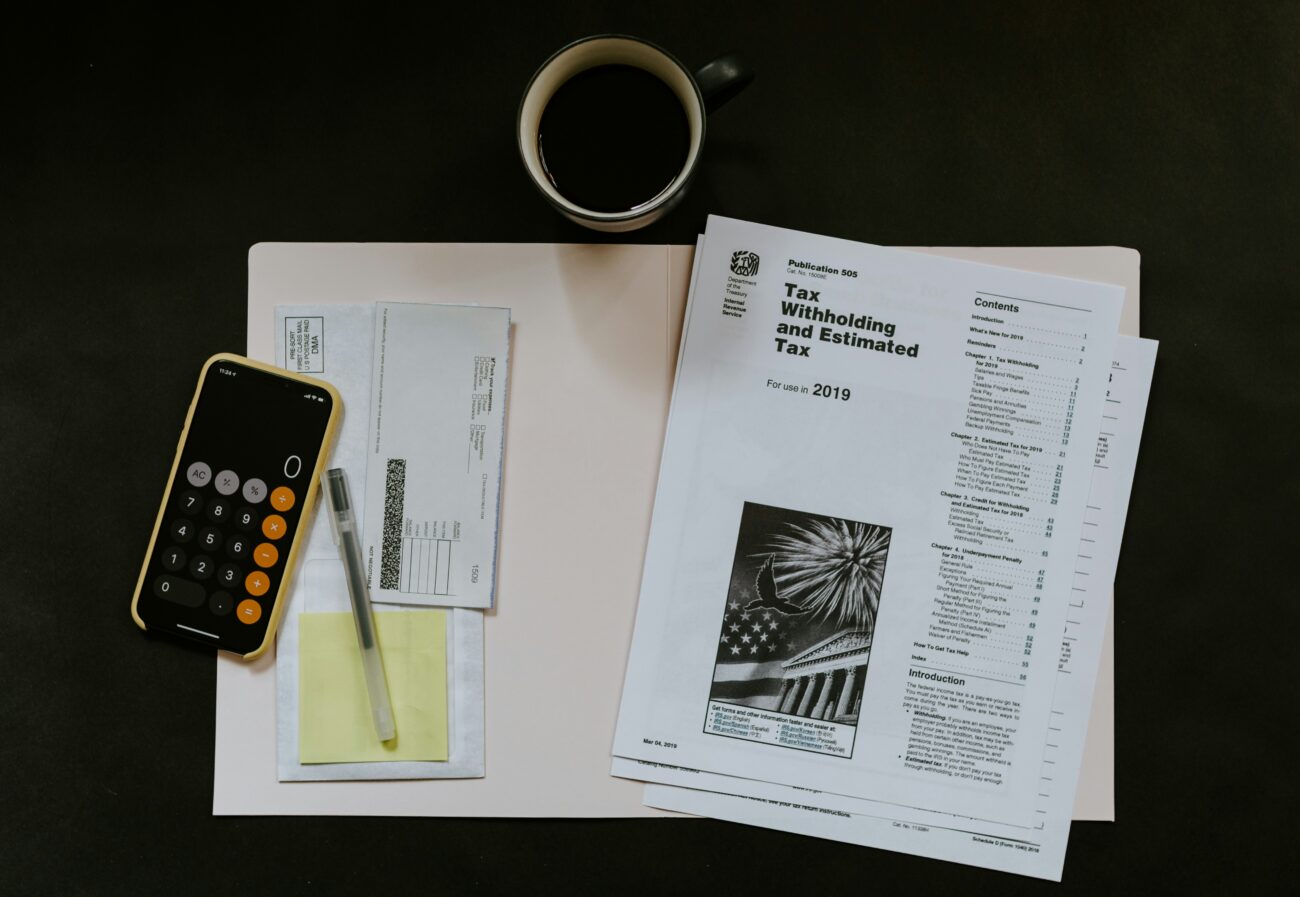
I’ve watched kids look at their first paychecks, and the look of sheer, unadulterated betrayal on their faces is almost tragic. They look at the deductions and literally ask, “Who is FICA, and why are they taking thirty dollars of my money?”
They have no concept of taxes. They have no concept of how quickly a “big” paycheck shrinks before it even hits their bank account. And honestly, if the first time they learn this lesson is when they’re trying to pay actual rent, they are in serious trouble.
That’s why something like this Teen Summer Paycheck Challenge is actually worth doing. It’s not a textbook chapter. It’s basically a game that forces them to step into a real job, get their fake money stolen by fake taxes, and try not to go bankrupt before the end of the week.
3 Rules for a High-Impact Classroom Money Game
Most financial literacy programs are incredibly boring because they try to make kids pretend they’re forty-year-old adults buying a house. No teenager cares about a mortgage. It feels like science fiction to them.
This simulation works because it keeps things grounded in the gritty, entry-level reality they’re about to experience.
Here is how the chaos actually goes down:
1. They get stuck with real, crappy jobs.
The game comes with 24 realistic job cards. We aren’t talking about imaginary corporate salaries here. They get assigned the exact kinds of gigs teens actually work: lifeguarding, folding shirts at a retail store, camp counseling, or flipping burgers.
- The cards show their hourly rate and their hours.
- But here’s the kicker: the taxes are already calculated and taken out right on the card. They see their gross pay, then their actual, sad “take-home pay” right next to it. It’s an instant reality check.
2. The game actively tries to ruin their plans.
Once the kids sit down, look at their sad little take-home pay, and write out a perfect, neat little budget, you hit them with the event cards.
- This is the best part of the simulation because it’s completely random and totally unfair. Just like real life.
- They roll the dice or draw a card, and suddenly your phone screen shatters. That’ll be eighty bucks. Your friend is having a birthday dinner at a restaurant you can’t afford. Do you go and put yourself in the red, or do you sit at home and feel miserable? Your car needs an oil change.
- They are forced to adjust their budgets in real time. They have to sit there, staring at their paper, trying to figure out whether to cut back on their food budget or pull money from their savings just to stay afloat.
3. The post-game aftermath.
After they’ve survived the simulation (or completely gone broke), they use the Paycheck Planning and Reflection sheets.
- This isn’t a test where they get graded on whether they saved the “right” amount of money. It’s a space for them to look at their decisions and realize how stressed they got over a fake game.
- They write about what caught them off guard, how they felt when their imaginary car broke down, and what they’d actually do differently when they get a real job.
Let Your Kids Make Stupid Money Decisions Now (Before It Costs Them Real Cash)
We have to stop treating financial literacy like it’s just a branch of math. It isn’t. Money is entirely about emotion, impulse control, and dealing with bad luck.
You can teach a kid how to calculate interest rates all day long, but that won’t stop them from panic-buying a bunch of useless stuff on their phone at midnight after a bad day.
The beauty of a simulation like this is that it lets them make incredibly dumb choices and face the consequences in a room full of their friends, with everyone laughing. If they spend all their fake money on fake concert tickets and then realize they can’t afford fake gas to get to their fake job, they learn the lesson. They get that little pit in their stomach, but nobody actually goes to collections.
That is infinitely better than them learning that exact same lesson at twenty-two, when their real car gets repossessed, and their credit score is ruined for the next decade.
Turn off the slideshows. Stop giving them the clean, polite version of adult life. Put the cards on the table, hit them with some fake taxes and a fake flat tire, and let them figure out how to survive it.
