
We spend millions of dollars trying to turn regular school classrooms into high tech science labs. School districts buy shiny digital screens, rewrite curriculums every few years, and purchase neatly packed plastic kits with pre-measured chemicals. Teachers stay up late working out the exact steps for tomorrow’s experiment, setting out clean glass beakers, and writing vocabulary definitions on a dry erase board. We pour all this energy into pretending that a clean wooden desk is the perfect place to start a career in science.
But if we are being totally honest, a standard forty five minute class period inside four concrete walls has a strict limit. No matter how much heart or energy a teacher brings to the lesson, learning about the physical world from a desk always feels a little fake. Kids are smart; they realize they are operating inside a highly managed, artificial bubble. They know that the chemistry experiment they are doing has a fixed, unchangeable result already printed in the teacher’s grading edition. They understand that the real point of the hour isn’t discovery, it is just memorizing a sequence of facts to pass a multiple choice test on Friday morning. To turn science from a graduation requirement intaso a genuine lifelong passion, students have to step away from the desk and see how it works in the real world.
The Power of Getting Your Hands Dirty
The moment a young person walks out of the school building and encounters real, unpredictable environments, the entire feeling of education changes. It stops being a chore where they just absorb definitions and becomes a physical, active, and unforgettable experience.
Consider what happens when a high school biology class leaves their hometown to travel to the coastal wetlands of Panama. In a traditional classroom setting, learning about this environment is completely passive. Students sit under fluorescent lights, drawing root structures on paper worksheets, watching short videos on coastal erosion, and memorizing the dry definition of an ecosystem just to pass a quiz. It ticks every single box on the state curriculum sheet, but it rarely changes a kid’s perspective or makes them fall in love with nature.
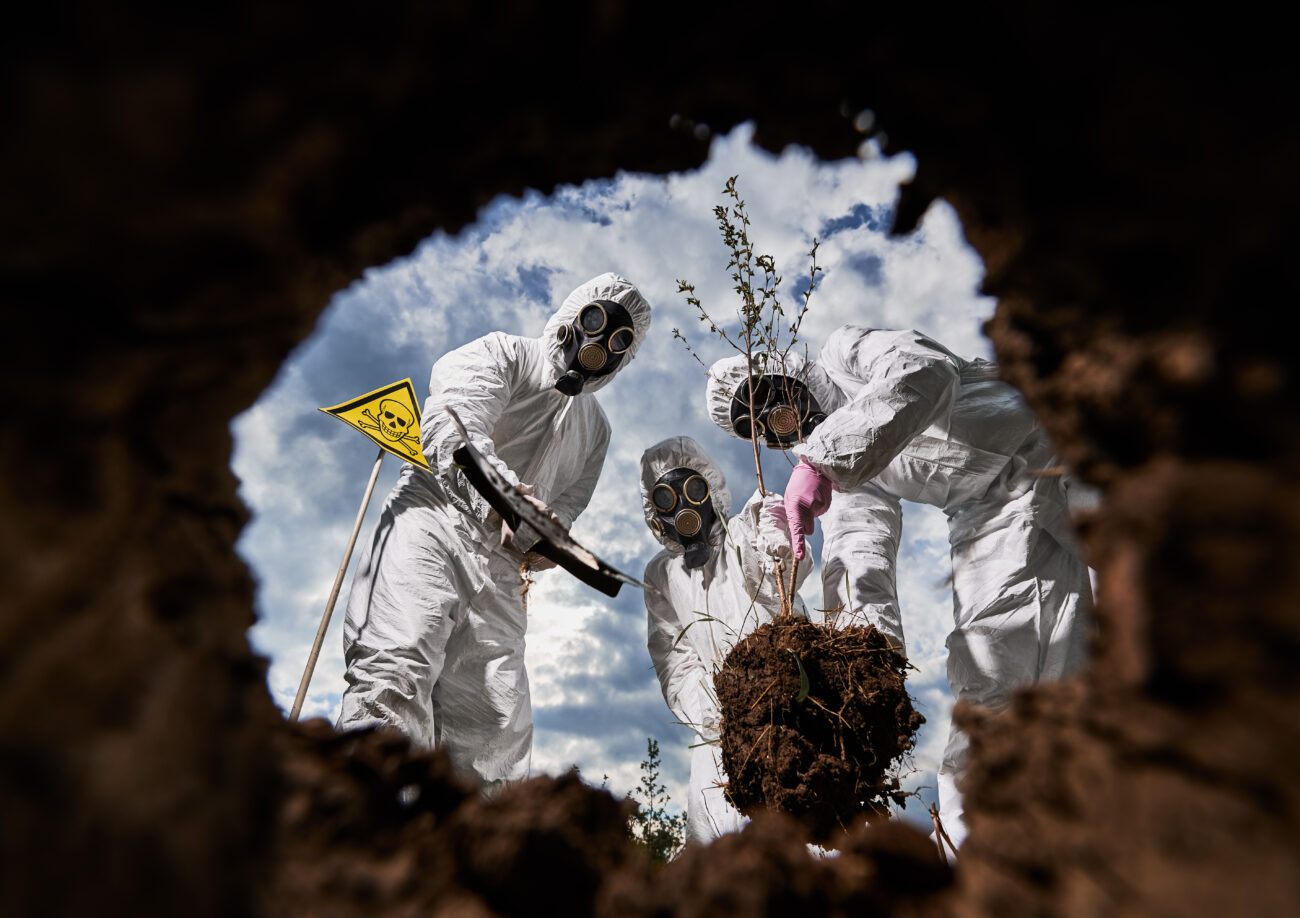
Everything changes when those exact same teenagers leave the building and step into the actual ecosystem. Suddenly, they are standing knee-deep in thick coastal mud, wearing heavy work boots, slapping away bugs, getting hot and sunburned, and physically planting young mangrove trees alongside local environmental scientists. This is where science becomes real. They aren’t pretending to care about nature for an hour just to get an attendance mark; they are actively helping to save a real piece of coastline.
By working in the field, they see exactly how the changing ocean tides affect the soil under their feet, and they learn firsthand how local towns rely on these forests to survive devastating storms. The physical tiredness, the sunburned shoulders, and the dark dirt stuck under their fingernails create a permanent memory that a smooth textbook page could never build.
Breaking Down the Walls of Intimidation
These kinds of intense travel trips do something else that a classroom cannot match: they tear down the invisible walls that make advanced science careers feel out of reach. For the vast majority of middle and high school kids, elite places like MIT, Harvard, or professional engineering labs feel like fantasy worlds reserved for a completely different class of people. They watch inventors and tech CEOs on television and assume those fields are locked tight against regular kids from normal neighborhoods.
When a teacher takes a group of seventh graders to a major tech hub like Boston to walk those real college campuses and stand in a crowded arena watching a regional robotics competition, that feeling of impossibility completely disappears. The students see that the researchers, coders, and mechanical engineers working on advanced projects are just ordinary people who learned a specific set of practical skills. They watch university students scramble to fix broken wires under intense pressure, helping them realize that making mistakes and trying again is just part of how real progress happens.
The quiet thought inside a twelve year old’s head changes from a feeling of total exclusion to a sudden realization of genuine belonging. Seeing these professional spaces in person takes away the mystery and gives them a clear, visual target for a career they can actually picture themselves doing.
Proving Wealth Doesn’t Define Potential
This change in mindset is even more powerful for kids who grow up in isolated, rural, or underfunded towns where traveling out of state is incredibly rare. For an eighth grader growing up in a border town like Laredo, Texas, the world can feel very small, and life options can seem limited to whatever is directly around them. Taking those kids to Washington, D.C., to participate in fast paced, interactive museum challenges forces them to rely on their wits and compete.
Instead of just walking past quiet museum display cases behind glass, these students are thrown into complicated, real-time problems. They have to analyze data on the fly, build working hypotheses, and defend their answers out loud to judges. They discover that they can think clearly under stress, solve messy, open-ended problems, and speak just as confidently as any kid from a wealthy private school across the country.
They go back home to their families with a completely new sense of self-worth. They leave with a permanent understanding that their future in this world is never decided by their household income or their zip code, they can hold their own against absolutely anyone.
The Foundation of Classroom Trust
Of course, these major personal breakthroughs do not happen by accident on the trip itself. A long journey across the country or overseas requires a deep foundation of human trust that has to be carefully built in the classroom months before the bags are packed.
When a vocational health teacher takes biomedical students from Denver all the way to London, they aren’t just going on a fun sightseeing vacation. They are walking straight into a working international research laboratory to run live forensic DNA fingerprinting tests.
The true value of that advanced experience depends completely on the relationships formed during the normal school year. When a student who usually struggles to pay attention or zones out during a normal school day suddenly looks up from a laboratory table with wide eyes, the months of prep work finally pay off. They realize that the exact pipetting methods, chemical safety steps, and analysis rules they practiced in their hometown high school are the exact same ones professional scientists use to solve crimes. The trip validates all the boring hours of practice, rewards their hard work, and proves that the teacher was giving them real, dangerous, and useful tools for the actual workforce.
Moving Beyond the Comfort Zone
It will always be easier for a school system to stay safe inside its comfort zone. Arranging long-distance student trips involves massive logistical headaches, months of exhausting bake sales and fundraising drives, and a scary amount of personal responsibility for the teachers in charge. Educators have to turn into travel agents, financial planners, and round the clock chaperones. It is always safer, cheaper, and less stressful to keep the children sitting quietly in their rows of desks and just flip to the next chapter in the syllabus.
But if the true point of education is to inspire the next generation of thinkers, builders, and discoverers, we have to push past the administrative paperwork and the fear of leaving the building. We can choose to keep teaching the beauty of human discovery through markers on a dry whiteboard, or we can choose to give our kids a direct, messy encounter with reality. Taking science off the page and putting it into the earth gives students a real, tangible future that they can actually
