
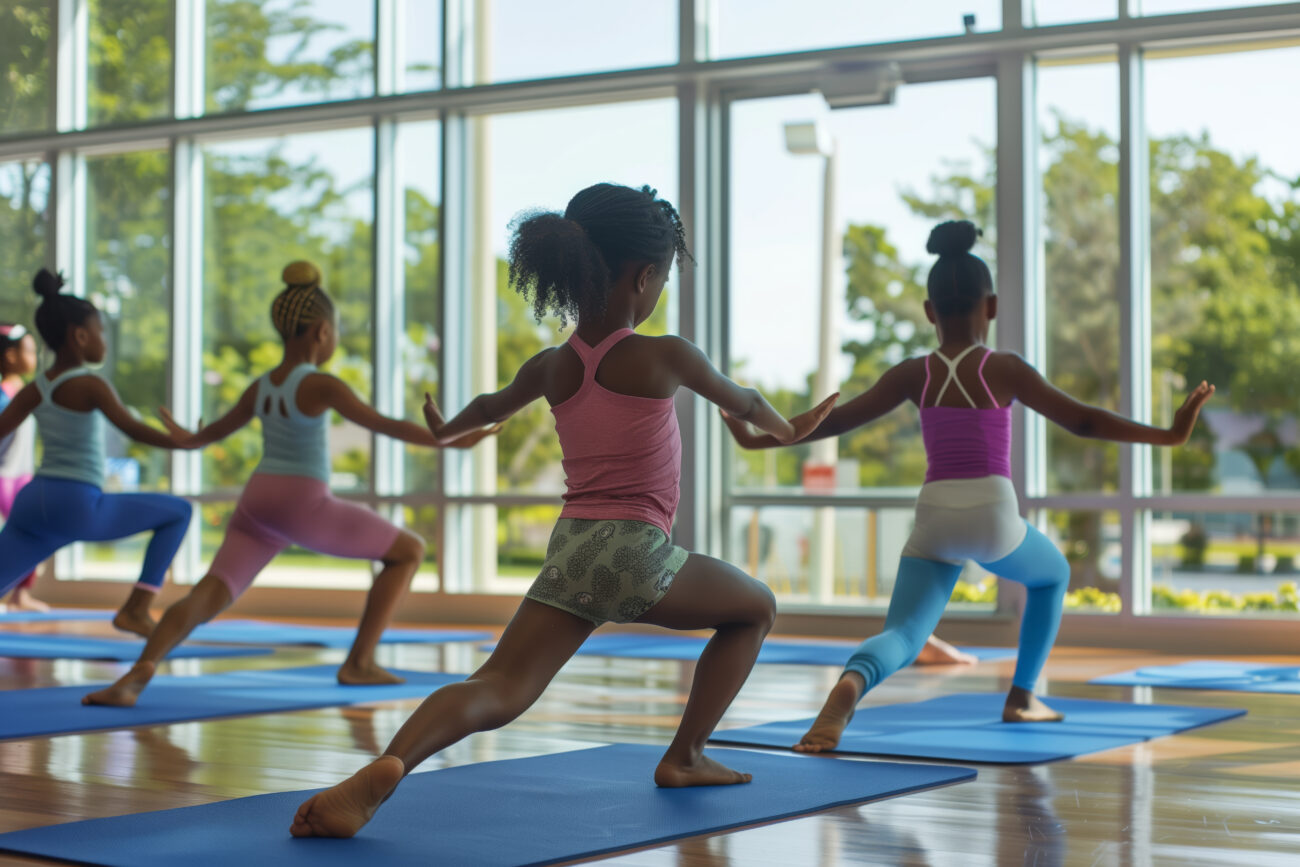
Movement breaks in the classroom are short periods of physical activity built into lessons to let students move, reset their attention, and return to learning more focused. These breaks can involve simple activities such as stretching, walking, dancing, balance exercises, classroom games, or a few minutes of structured physical activity.
Students are not expected to remain physically still and mentally focused all day. Short movement breaks in the classroom can break up long stretches of sitting and provide a practical way to support classroom attention, participation, and physical activity. Incorporating these physical resets can also benefit neurodivergent learners, as explored further in understanding auditory stimming, helping create a more inclusive and responsive learning environment.
Why Are Movement Breaks Important in the Classroom?
Traditional classroom routines often require students to sit for extended periods. Although sitting is necessary for many learning activities, too much uninterrupted sitting can contribute to restlessness, reduced attention, and physical discomfort.
Classroom movement breaks provide a simple solution. A teacher can pause a lesson for two to five minutes and use an activity that gets students standing, stretching, walking, or moving in place.
Movement breaks help students:
- Refocus after a long lesson
- Reduce restlessness
- Increase opportunities for physical activity
- Improve classroom participation
- Break up long periods of sitting
- Support coordination and body awareness
- Provide a mental reset between activities
- Make transitions between lessons easier
The aim is not to replace physical education. Instead, movement breaks for students add small amounts of physical activity to the regular school day.
How Do Movement Breaks Improve Learning?
Physical movement and learning are closely connected. Students who have been sitting for a long period may find it difficult to maintain attention, particularly during lengthy lessons.
A short brain break for students can provide a change of pace. Standing up, stretching, performing simple exercises, or participating in a movement-based game can help students release some physical restlessness before returning to academic work.
Movement can also create a clear transition between activities. For example, students might complete a two-minute stretching routine after mathematics before beginning reading. The activity signals that one task has ended and another is about to begin.
Incorporating physical resets can be especially helpful when tackling complex subjects or effective ways to learn math, where maintaining focus over a long period is crucial.
Movement breaks should therefore be viewed as part of classroom management and learning rather than simply extra playtime.
Types of Movement Breaks in the Classroom
There is no single way to introduce classroom movement breaks. Activities can be adapted to students’ ages, classroom space, lesson objectives, and available time.
1. Stretching Breaks

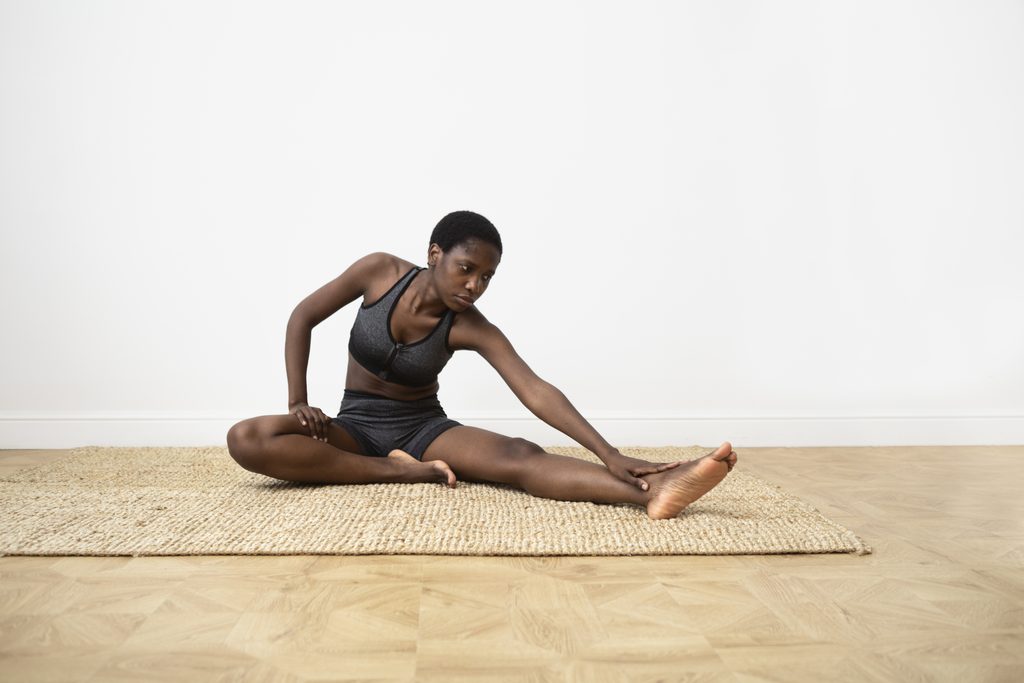
Simple stretches are among the easiest movement break activities to introduce.
Students can stretch their arms above their heads, roll their shoulders, reach toward their toes, or gently stretch their legs.
A stretching break can be particularly useful after students have spent a long period writing or working on computers.
2. Dance Breaks
A short dance session can quickly increase energy and participation.
Teachers can play an age-appropriate song and allow students to dance for two or three minutes. The activity does not need to be complicated. Simple movements such as stepping, clapping, and moving the arms can be enough.
3. Classroom Walking
Students can stand and walk around the classroom for a short period, provided there is enough safe space.
Teachers can combine walking with learning by asking students to move to different parts of the classroom to answer questions or discuss a topic with a partner.
4. Exercise Breaks

- Short exercises can include:
- Marching in place
- Jumping jacks
- Squats
- High knees
- Arm circles
- Toe touches
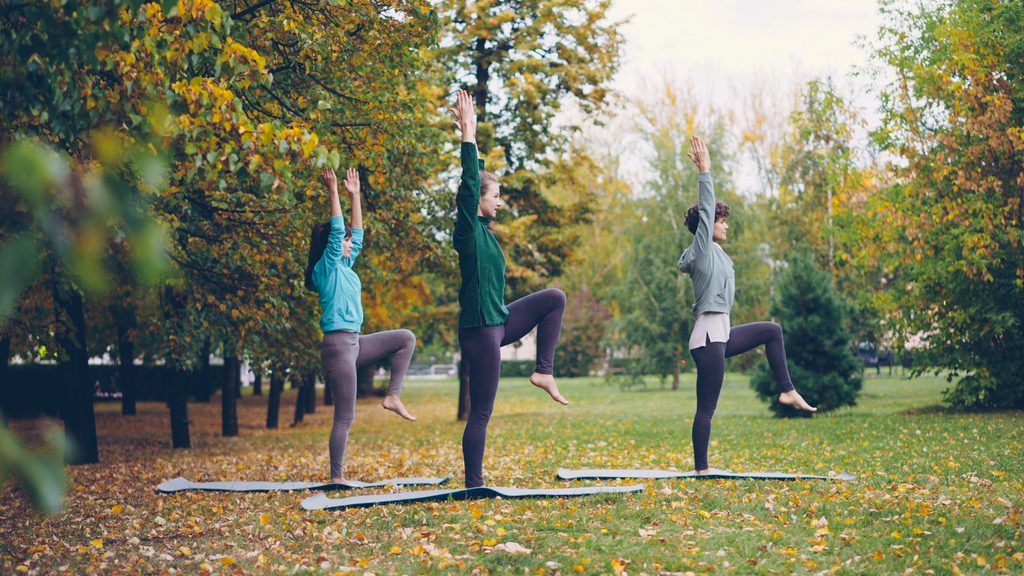
- Balance exercises
The intensity should match the students’ age and abilities. A movement break does not need to become a demanding workout.
5. Movement-Based Learning
Movement activities for students can also be connected directly to academic content.
For example, students learning mathematics could move to different areas of the room to indicate answers. In a language lesson, students could physically move toward signs representing different vocabulary categories.
This approach combines physical activity with academic participation.
6. Balance and Coordination Activities
Balance activities can provide a quieter alternative to running or jumping.
Students can stand on one foot, walk along an imaginary line, perform simple coordination movements, or copy a sequence of movements demonstrated by the teacher.
These activities can support body awareness and coordination while giving students a short break from sitting.
Movement Break Ideas for Elementary Students
Younger students often respond well to short, playful activities. Movement breaks for elementary students can include animal walks, freeze dance, action songs, stretching, follow-the-leader movements, and simple classroom exercises.
Teachers can also use counting activities. For example, students can perform ten marches, five squats, or five arm circles while counting aloud.
Keeping activities short helps prevent the break from becoming difficult to manage.
Movement Breaks for Older Students
Older students may prefer activities that feel less childish and give them some choice.
Movement breaks for middle school and high school students can include stretching, short walking periods, mobility exercises, dance challenges, standing discussions, or quick coordination activities.
Teachers can also allow students to choose between two or three movement options. Giving students some control can make participation feel more natural.
How Long Should a Classroom Movement Break Last?
A classroom movement break can be as short as two minutes. Some activities may last five minutes, depending on the lesson and students’ needs.
There is no requirement for every movement break to have the same length.
A teacher might use:
- 2 minutes during a long lesson
- A 3-minute activity between subjects
- A 5-minute movement game after extended seated work
The purpose is to interrupt prolonged sitting and refresh students without taking excessive time away from instruction.
How Often Should Students Have Movement Breaks?
The frequency can depend on the age of the students, classroom schedule, lesson length, and school environment.
Teachers can introduce a brain break in the classroom whenever students show signs of restlessness or declining attention. Movement breaks can also be planned at natural points in the timetable.
For example, a teacher could schedule one after a lengthy writing task and another before a new subject.
The key is consistency. Movement should become a normal part of the classroom routine rather than something used only when students become disruptive.
How Teachers Can Make Movement Breaks Work
Effective movement breaks in schools do not require expensive equipment or a large space.
Teachers can make them easier to manage by:
Keep activities short: Two to five minutes is often enough.
Give clear instructions: Students should know exactly what they need to do before the activity begins.
Choose safe movements: Avoid activities that require students to move quickly around desks or crowded spaces.
Match activities to the class: Younger children may enjoy energetic games, while older students may prefer stretching or walking.
Use predictable routines: A consistent signal can tell students when a movement break is starting and ending.
Connect movement to learning: Academic movement activities can make breaks useful for both physical activity and lesson participation.
Benefits of Movement Breaks for Students
Regular physical activity breaks in the classroom can support several aspects of the school experience.
Students may experience better attention after sitting for extended periods. Movement also allows students to release physical tension and change their posture.
Other potential benefits include:
- Increased classroom engagement
- Better participation
- Reduced sedentary time
- Improved physical activity levels
- Support for classroom behavior
- Opportunities to practice coordination
- More varied learning experiences
Similarly, just as educators explore the benefits of background music for students to cultivate a focused and calming classroom atmosphere, physical movement breaks offer a complementary sensory shift that helps reset attention and mood. However, movement breaks should not be presented as a guaranteed solution for concentration or behavior problems. Their value lies in providing a simple, flexible way to add movement to a school day.
Challenges of Classroom Movement Breaks
Although movement breaks can be useful, teachers may face practical challenges.
Limited classroom space can make certain activities unsuitable. Some students may also have physical disabilities, medical restrictions, or different comfort levels with particular movements.
Teachers should therefore offer alternatives where necessary. A student who cannot participate in jumping activities, for example, could perform seated arm movements or another appropriate exercise.
Time can also be a concern. A movement break that becomes too long may interfere with instruction. Clear routines and short activities can help maintain a good balance.
How to Introduce Movement Breaks Into a Lesson
Start with one short activity rather than changing the entire classroom routine.
Choose a natural point in the lesson, such as after 20–30 minutes of seated work. Give students clear instructions, complete the activity, and return directly to the lesson.
Over time, teachers can build a small collection of classroom movement break ideas and select activities according to the class’s energy level and learning needs.
The best movement break is one that is simple enough to use regularly and appropriate for the students involved.
Final Thoughts on Movement Breaks in the Classroom
Movement breaks in the classroom offer a practical way to reduce prolonged sitting while giving students opportunities to refresh their bodies and attention. They can involve stretching, walking, dancing, simple exercises, balance activities, or movement-based learning.
Teachers do not need special equipment, large spaces, or lengthy activities to make movement part of the school day. A few minutes of purposeful movement can help students transition between tasks and create a more active classroom routine.
Keep it simple: move briefly, return to learning, and make physical activity a normal part of the school day.
