
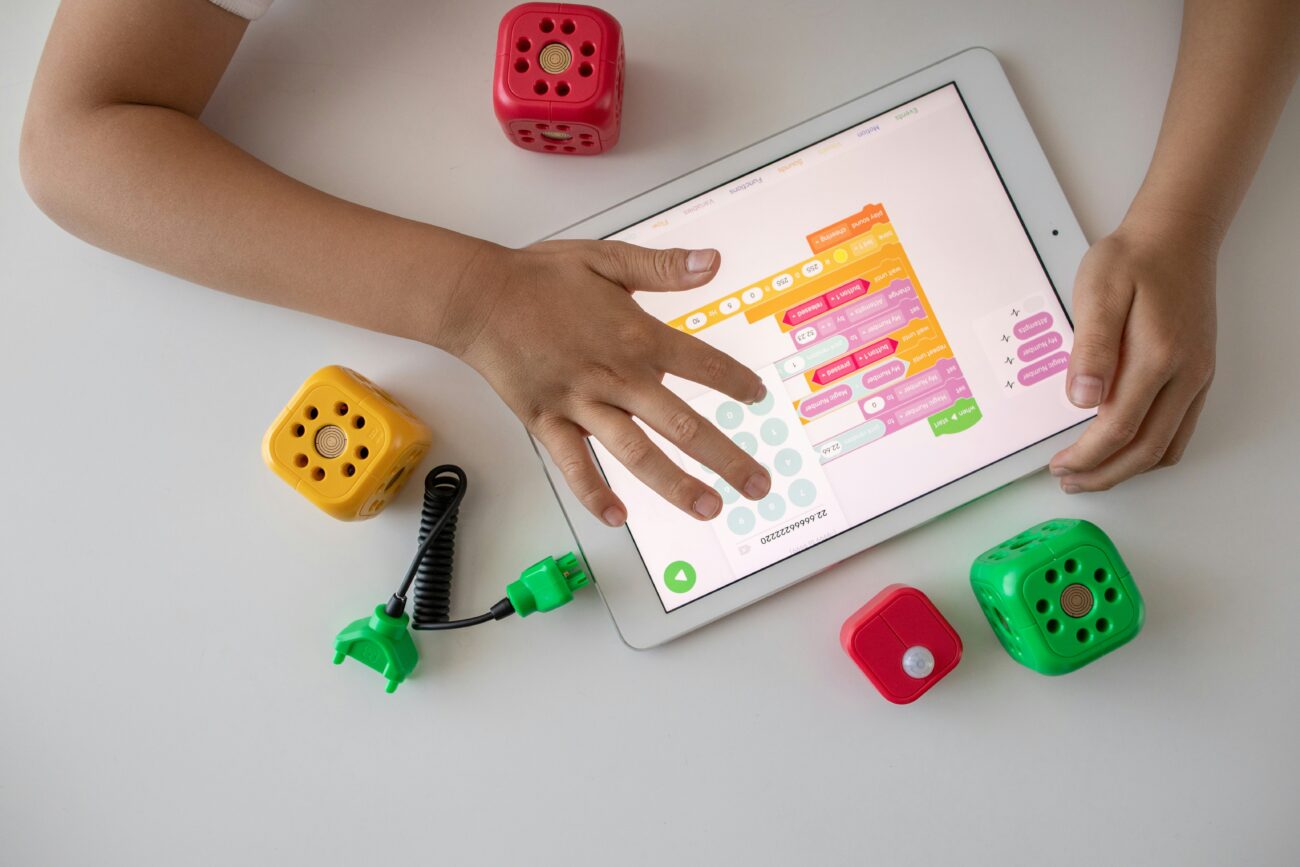
For some children, math is commonly perceived as a challenging subject. A child may understand one topic today and struggle with it the next day. Another child may know the answer but struggle to explain how they reached it. For parents and teachers, finding a way to make mathematics easier, more practical, and less stressful can make a real difference, as explored in the role tech plays in managing stress and protecting mental health. This is where the best math apps for kids come in. Technology gives children another way to interact with mathematical ideas. Instead of only reading from a textbook or completing worksheets, children can use an app to practice skills, work through problems, watch explanations, test ideas, and receive feedback.
These 12 math apps are designed mainly for elementary school students. The selection includes apps that introduce mathematical concepts, practice skills, track progress, and help children work at a level that suits them. Some also use adaptive learning, meaning the difficulty can change according to how a child is performing. A useful math learning app for kids aims to help a child understand mathematics and feel more comfortable working through problems.
Why Math Apps Can Help Children Learn
Children do not all learn mathematics in the same way. Some understand a concept more easily when they can see it. Others need repeated practice. Some children enjoy games, while others prefer working through structured questions. Math apps can offer different learning experiences. An interactive app helps a child work with a mathematical idea more effectively. This is especially useful when introducing concepts such as fractions, geometry, number sense, measurement, addition, subtraction, or algebra. Some apps also provide immediate feedback. Instead of waiting for a teacher to check a worksheet, a child can often see whether an answer is correct and keep working. However, an app should support learning rather than replace teachers, parents, discussion, or hands-on activities. Children still need opportunities to explain their thinking, ask questions, and understand why an answer is correct. Here are 12 of the best math apps for kids.
- BrainPOP Jr. for Early Math Learning
BrainPOP Jr. targets younger learners, particularly children in kindergarten through third grade. Its mathematics content uses educational videos to introduce subjects such as time, money, number sense, geometry, measurement, addition, subtraction, and fractions. This can help children who understand concepts more easily when presented visually. Instead of starting with a page full of numbers, a child can first learn the idea through a more engaging format. For parents looking for an educational math app for children, BrainPOP Jr. can provide another way to introduce basic mathematical concepts.
- PhotoMath for Working Through Math Problems
PhotoMath is designed to help you solve math problems. One notable feature is its ability to work through a problem and provide a solution. This makes it helpful for students who need to check their work or understand a problem. However, parents and teachers should keep one important point in mind. An app that provides an answer can help, but children still need to understand the mathematics behind it. Simply receiving a solution does not automatically mean that learning has taken place. Therefore, PhotoMath is best viewed as a tool that can support mathematical work when used responsibly.
- Socratic by Google
Its inclusion reflects the wider role that educational technology can play in helping students work through academic questions. For children and students using technology to support mathematics, tools such as Socratic can provide another route toward understanding a problem instead of relying only on traditional classroom materials. As with other problem-solving tools, the most useful approach is to focus on understanding rather than simply getting an answer.
- Prodigy Makes Math Practice Feel Like a Game
Prodigy is one of the more game-focused options on the list. The app places children in an adventure-style environment while they work on basic mathematics skills. Instead of presenting every question as a traditional worksheet exercise, it turns practice into part of a game. This helps children who find ordinary math practice boring or stressful. A child may be more willing to continue practicing when the activity feels like a game rather than another assignment. Prodigy also reflects a wider trend in kids’ math apps: using familiar game features to encourage children to spend more time practicing mathematics.
- IXL for Personalized Math Practice
IXL provides personalized learning and includes a real-time mathematics diagnostic. The diagnostic feature identifies areas where a student may be struggling and creates recommendations based on those areas. This is helpful because children do not always need to practice everything. Sometimes a child needs extra support with one particular topic while already feeling comfortable with another. A personalized approach helps direct practice to the areas that need more attention. For parents and teachers searching for math practice apps for kids, the diagnostic feature makes it easier to identify where additional work may be needed.
- Splash Math for Adaptive Learning
Splash Math is a game-based mathematics app offering more than 350 math skills. The app also provides an adaptive learning path for each child. Adaptive learning helps children with different levels of understanding even within the same grade. One child may need more practice with addition, while another may be ready to move on to more advanced skills. By adjusting the learning path, Splash Math provides a more individualized experience. Splash Math can make mathematics feel less challenging for children who enjoy games and benefit from repeated practice.
- Khan Academy Kids for Young Learners
Khan Academy Kids is designed for children ages two to eight. The app is free to use and focuses on beginner academic skills, including early mathematics. This makes it particularly relevant for parents looking for free math apps for kids who are just beginning to build their mathematical foundations. Early learning matters because skills such as counting, number recognition, and basic mathematical understanding build a foundation for later topics. For younger children, the goal does not have to be completing large numbers of questions. Building familiarity and confidence can be just as valuable.
- CK-12 for Broader Math Resources
CK-12 provides a library of free educational resources. Its materials include online textbooks, videos, exercises, flashcards, and real-world applications covering more than 5,000 concepts. This makes CK-12 different from apps that focus mainly on game-based practice. Children and students can use different types of resources depending on what they are trying to understand. A video may explain a concept, while an exercise gives the student a chance to practice it.
- ABC Mouse for Basic Academic Skills
ABC Mouse is a subscription-based learning app that teaches basic academic skills through activities. Combining learning with activities can make practice feel more approachable. Math can feel frustrating when children see every exercise as a test. Interactive activities can reduce that pressure and give children a different way to practice. ABC Mouse is therefore another option for parents looking for math learning apps for children that combine mathematics with broader early academic learning.
- DragonBox for Learning Algebra
DragonBox takes a different approach to mathematics by using games to introduce algebra. The app is designed for children five and older and focuses on helping young learners begin developing algebraic thinking. Algebra sounds intimidating to children because it eventually involves symbols and equations. Introducing some of these ideas through a game can make the subject feel more approachable. DragonBox is a good example of how a math app for kids can introduce a topic that children might normally encounter later in their education. Rather than treating mathematics as a set of rules to memorize, game-based learning gives children a chance to interact with mathematical ideas.
- Kahoot for Interactive Learning
Kahoot reflects the value of interactive learning environments in education. Instead of relying entirely on conventional written exercises, it uses digital tools that can make participation more active. Interactive learning can also encourage children to engage with mathematics. The key is to ensure the activity still has a clear learning purpose. Fun is useful, but the activity should also build mathematical understanding or practice.
- Brilliant for Developing Mathematical Thinking
Brilliant is particularly useful for learners who enjoy solving problems and interacting with concepts. For children ready for more challenging mathematical ideas, an interactive platform can offer opportunities to think through problems and build confidence. Brilliant also demonstrates an important point about educational apps: not every app has to serve the same purpose. Some are designed for younger children, some for basic practice, and others for students who are ready for more challenging work.
How to Choose the Best Math App for Your Child
Start by choosing a math app for the child, not the app. Think about what the child actually needs. Does the child need help understanding a new concept? More practice? A way to stay engaged? Help with a particular skill? Or an opportunity to work ahead? The answer makes it easier to choose the right type of app. Also consider the child’s age and current ability. An app that is too difficult can leave a child frustrated, while one that is too easy can quickly become boring. Before making a decision, weigh whether an app encourages children to think about mathematics or simply rewards them for entering answers quickly. Some apps are particularly useful because they provide feedback, adaptive practice, or progress information. Others are better for introducing ideas or giving children opportunities to interact with mathematical concepts.
Math Apps Should Be an Assistant and Not a Replacement
Children still need teachers, parents, practice, and true experiences. A math app can give a child another opportunity to practice. It can also make a difficult concept feel less intimidating. But parents can make the experience more meaningful by talking with children about what they are doing. Instead of asking only, “Did you get the answer right?” try asking, “What did you do to solve it?” “Why do you think that answer is correct?” “Was there another way to solve the problem?” “What part was difficult?” Questions like these help children focus on understanding the task rather than just completing it.
The Best Math App Depends on the Child
No math app works perfectly for every child. A developing child may need something very different from an older child ready for algebra. A child who dislikes worksheets may respond well to a game-based app, while another child may prefer videos, exercises, or structured practice. That is why the 12 apps cover different learning needs.
The real value of a math app for a child is building confidence, understanding mathematical ideas more clearly, and developing the ability to solve problems independently.
Choosing the Right Math App to Help Kids Learn and Grow
Technology has changed how children practice and experience mathematics. A tablet or computer can now provide videos, games, exercises, feedback, and interactive activities that give children more ways to approach a subject that can sometimes feel difficult.
Though these apps offer various approaches to tackle a mathematical problem, it should not be treated as a replacement for good teaching. The best learning approach is combining technology with explanation, discussion, practice, and encouragement. When a child gets a question wrong, it is not failing; it is a chance to ask questions, try another strategy, and understand the idea more clearly.
The right app can make mathematics more approachable, but the bigger goal is helping children become comfortable enough with math to keep trying when a problem gets difficult.
